What Actually Runs When You Walk Away: KiroCrew’s Autonomy Modes, Compared


Once a KiroCrew session is running, there are four ways work can proceed without you driving every turn: Autopilot, the Task Runner, Monitor, and /goal. The docs present them as separate features, and I could not tell which one I was supposed to reach for โ€” so I spent an afternoon working through them question … Continue reading What Actually Runs When You Walk Away: KiroCrew’s Autonomy Modes, Compared

Bots Club, Ten Years On: The Controls That Take It Into Production


In May 2016 I wrote a short post called Bots Club. One idea, one line: bots should and can work collaboratively as we humans do. Bot to bot, no human in the channel. I built three Hubot demos for my team โ€” bots processing a ticket, bots handling an alert, bots watching cost โ€” and … Continue reading Bots Club, Ten Years On: The Controls That Take It Into Production

Use Git Workflow to Manage Multiple AWS Environments


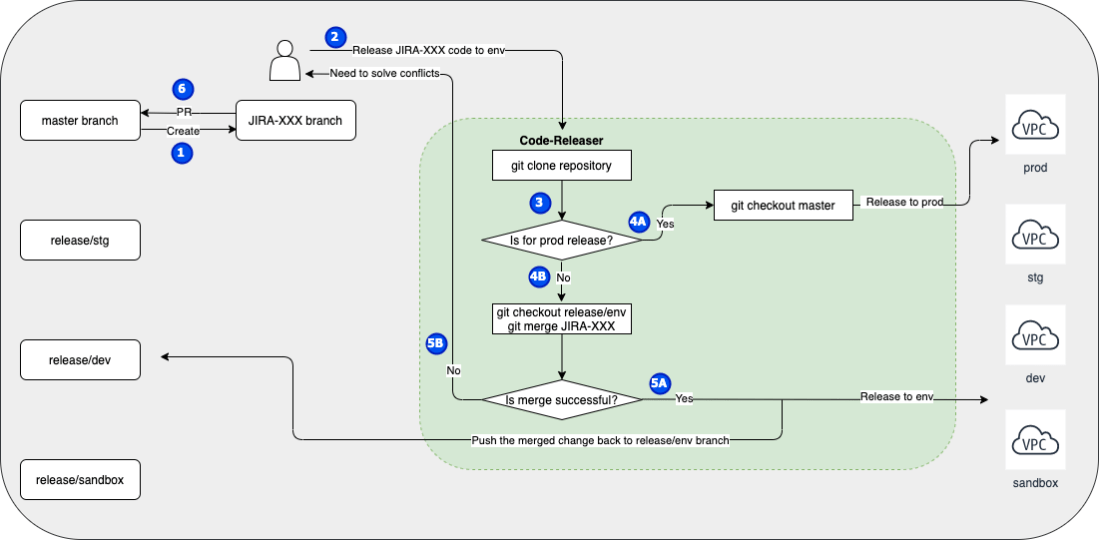
Managing multiple AWS environments (sandbox/dev/uat/stage/prod) is challenging, as it is hard to keep track of the current status of each environment. For example, user A deploys his feature branch into dev to test his code, then later user B deploys his hotfix branch into dev to test his code. This can cause many issues: User … Continue reading Use Git Workflow to Manage Multiple AWS Environments

Automate Atlassian Add-on Management Part Two


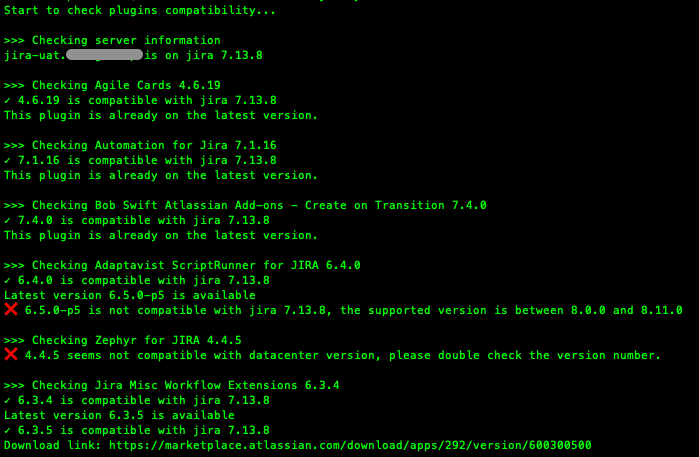
Continue with Part One, let me list some requirements that I would like to keep in the scope: Must Have Plugins metadata (application, version, desired_state...) is source controlled.Can query plugins information (version, license, expiry date...) from servers.Can query plugins information from Atlassian Market place.Can enable/disable plugins.Can install/uninstall plugins.Can update plugins.Can check compatibility. Should Have Can … Continue reading Automate Atlassian Add-on Management Part Two