Optimal Synchrony Setup


The application that works behind Confluence Collaborative Editing is called Synchrony. Synchrony works in two modes: Standalone and Managed by Confluence. Standalone: As the name suggests, it is setup as a standalone cluster which is dedicated for Collaborative Editing. Managed by Confluence: Synchrony is co-located with Confluence in the same cluster. And it is managed … Continue reading Optimal Synchrony Setup

Load Balancing Algorithm for Confluence


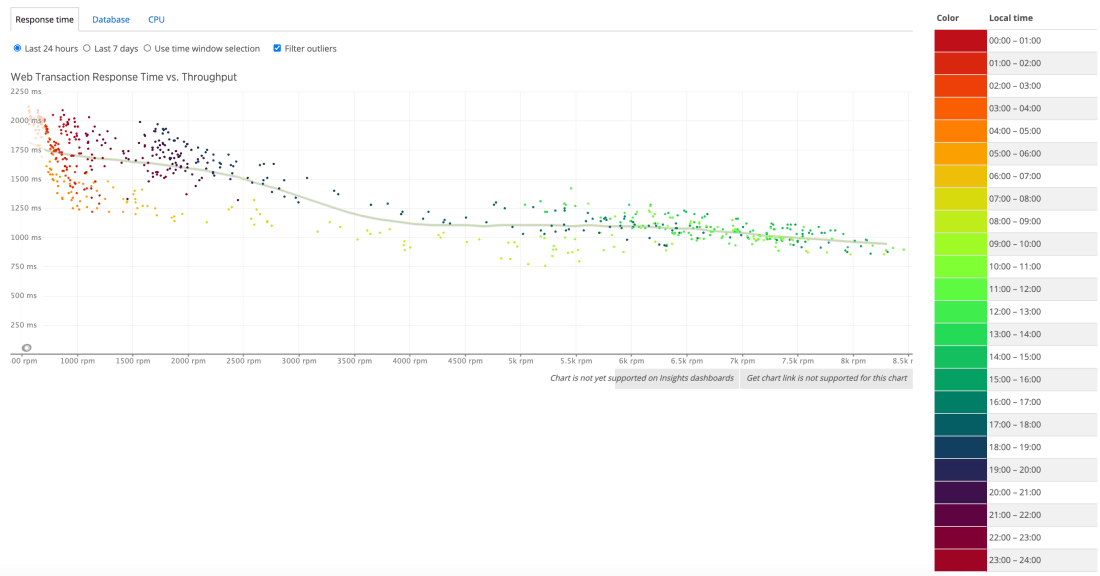
We recently migrated Confluence Data Center to AWS. And by using the Read-Only mode, we achieved zero downtime! Everything works well since the migration. During the working hours, the normal load is between 6000 to 7500 RPM (request per minute). And the two node cluster is still able to provide satisfying response time while the … Continue reading Load Balancing Algorithm for Confluence

Confluence system plugins that do not support cluster environment


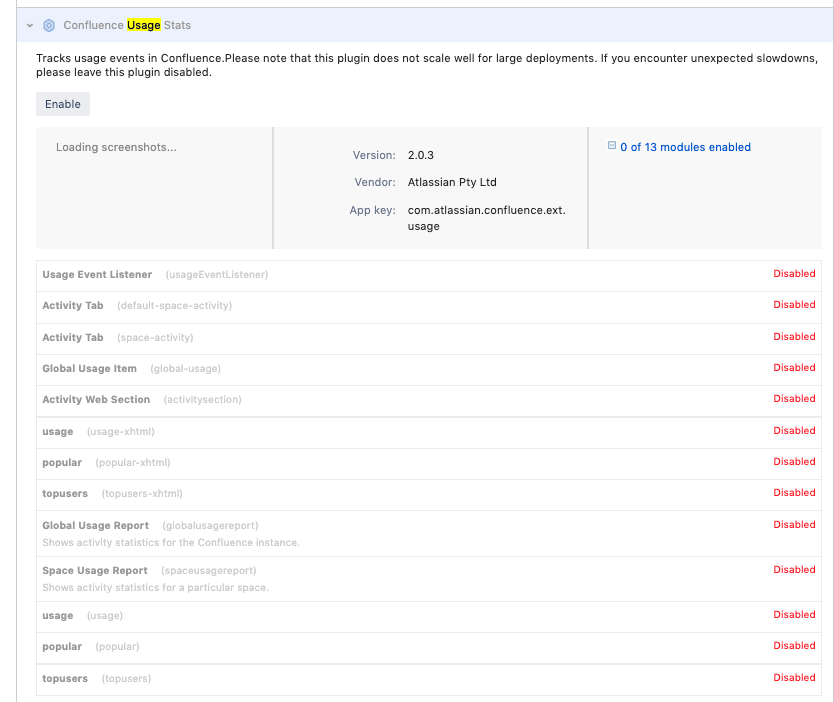
If you are doing the following Confluence migration, you have to be aware of that some system plugins do not support cluster environment. Confluence server to Confluence data center clusterConfluence data centre non-clustered (single node) to Confluence data centre clustered (multiple nodes) A simple example is the 'Confluence Usage Stats' which provides the macros like … Continue reading Confluence system plugins that do not support cluster environment

Automate Atlassian Add-on Management Part Two


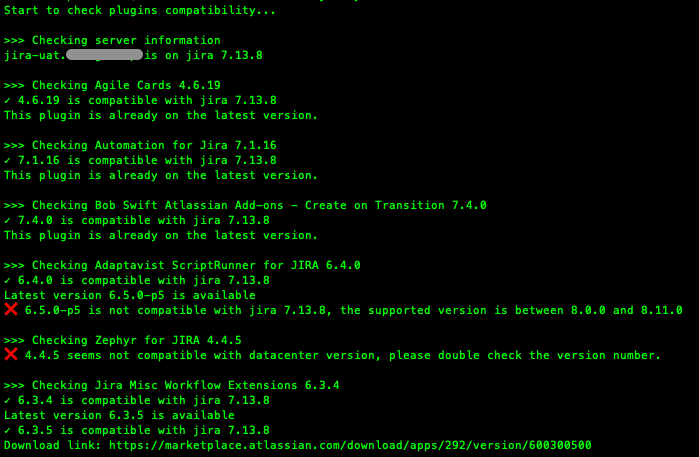
Continue with Part One, let me list some requirements that I would like to keep in the scope: Must Have Plugins metadata (application, version, desired_state...) is source controlled.Can query plugins information (version, license, expiry date...) from servers.Can query plugins information from Atlassian Market place.Can enable/disable plugins.Can install/uninstall plugins.Can update plugins.Can check compatibility. Should Have Can … Continue reading Automate Atlassian Add-on Management Part Two