What Actually Runs When You Walk Away: KiroCrew’s Autonomy Modes, Compared
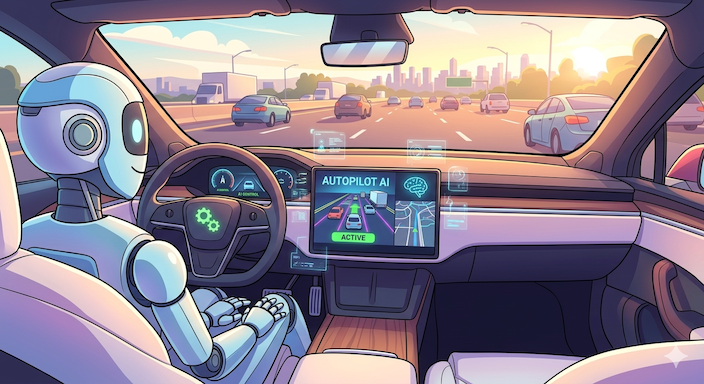

Once a KiroCrew session is running, there are four ways work can proceed without you driving every turn: Autopilot, the Task Runner, Monitor, and /goal. The docs present them as separate features, and I could not tell which one I was supposed to reach for โ€” so I spent an afternoon working through them question … Continue reading What Actually Runs When You Walk Away: KiroCrew’s Autonomy Modes, Compared

Bots Club, Ten Years On: The Controls That Take It Into Production


In May 2016 I wrote a short post called Bots Club. One idea, one line: bots should and can work collaboratively as we humans do. Bot to bot, no human in the channel. I built three Hubot demos for my team โ€” bots processing a ticket, bots handling an alert, bots watching cost โ€” and … Continue reading Bots Club, Ten Years On: The Controls That Take It Into Production

Inside Kiro Crew: How a Persistent AI Agent Actually Works


I've spent the better part of a week living inside Kiro Crew โ€” not just using it, but reading its installed source to understand how it actually works. This post is what I pieced together: a layer-by-layer unpacking of the architecture, from the surfaces you type into all the way down to the kiro-cli subprocess … Continue reading Inside Kiro Crew: How a Persistent AI Agent Actually Works

Updated AWS Well-Architected Framework


AWS recently released the new version of AWS Well-Architected Framework, I just had a quick look. The biggest change to me is that the Architecture design principles (they call it pillars of the framework) have increased from 4 to 5. Now the 5 pillars of the framework are: Operational Excellence Security Reliability Performance Efficiency Cost … Continue reading Updated AWS Well-Architected Framework