Finally finally, EKS is now generally available. It took roughly half year to arrive here since the announcement in last ReInvent. If you ever used kops before, then you will feel that the way how they build k8s cluster is very similar. Except that AWS manages the master nodes for you. I had quick look … Continue reading EKS is now generally available
Category: Cloud
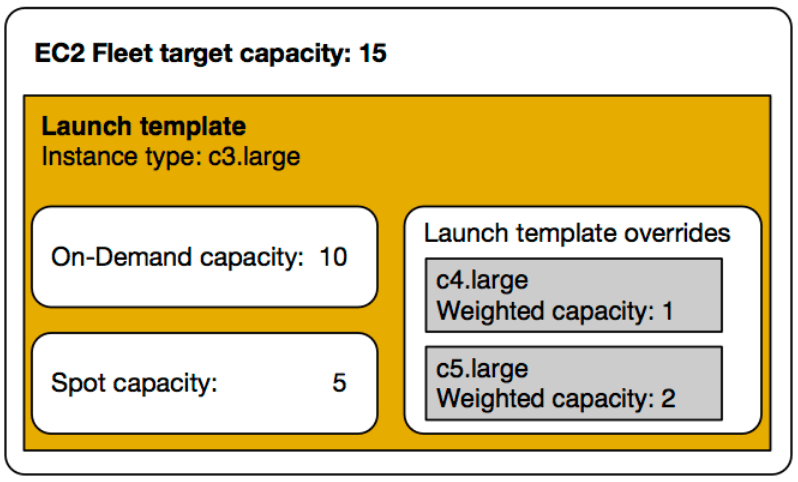
EC2 fleet at first glance
I was working on a project called SpotOn last year. The basically idea is to use Spot fleet whenever possible. If the pool size is lower than the threshold, then CloudWatch will trigger a Lambda function to scale up the on-demand EC2 to pick up the workloads. Check this out if you want to know … Continue reading EC2 fleet at first glance
What is kube-aws?
Have you read my previous post Install Kubernetes on AWS with kops? If yes, then kube-aws is an alternative to kops. If you have not, then kube-aws is an open source tool that simplifies the installation of Kubernetes on AWS. I have not tried kube-aws yet, but I will when I need to build another … Continue reading What is kube-aws?
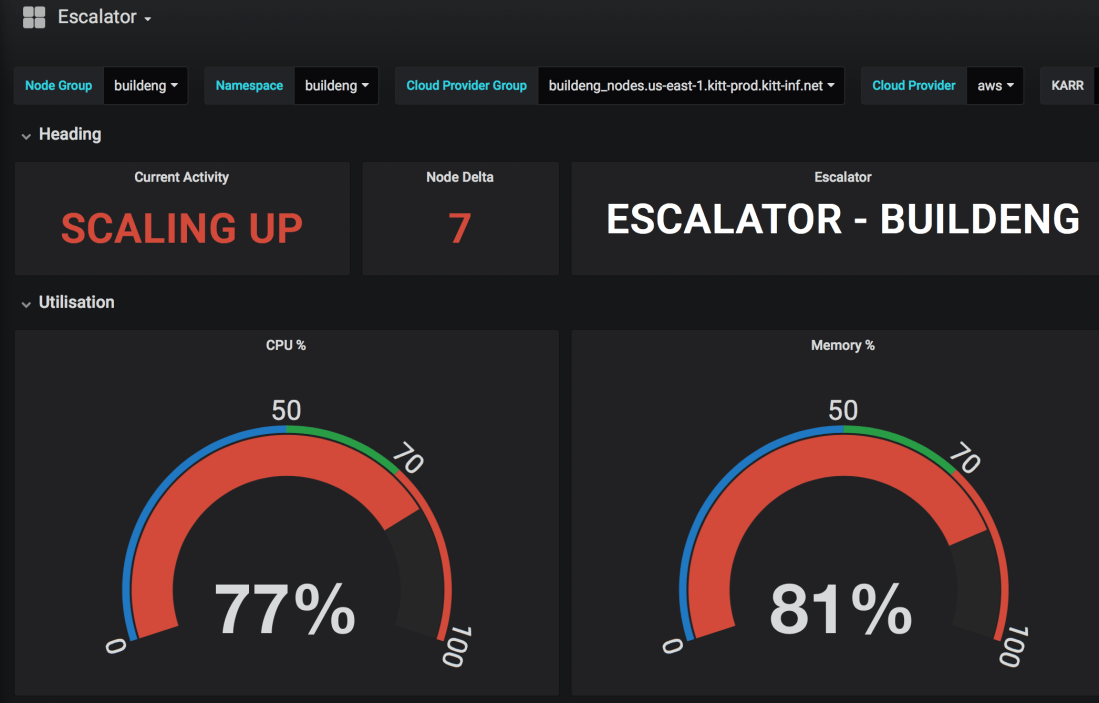
Escalator – auto-scaling tool for Kubernetes
Atlassian recently open sourced its in-house auto-scaling tool for Kubernetes - Escalator. I have not gotten a chance to try it yet, but according to this article, the tools is initially designed for the batch workloads which can not tolerate scaling-up delay. The idea behind it is to allow user to set up the percentage … Continue reading Escalator – auto-scaling tool for Kubernetes
Use helm in Kubernetes
Helm is the package manager for Kubernetes, you can think it as yum/apt/homebrew. It contains two parts: Server (tiller) and Client (helm). helm client can be installed on Linux/Mac/Windows, the package can be found here. Helm manages the Kubernetes charts which are pre-configured Kubernetes resources. In the following example, I will show you how to … Continue reading Use helm in Kubernetes